Mirjam Henzen
 On May 12, 2026, The Lancet published something that 170 million women have been waiting decades for. PCOS was officially renamed PMOS — Polyendocrine Metabolic Ovarian Syndrome. After fourteen years of work, twenty-two thousand patient surveys, and fifty-six global organizations weighing in, the medical world finally agreed on what so many women already felt in their bodies. This is not a problem with their ovaries. It is a whole-body condition rooted in hormones, metabolism, and inflammation. And the new name changes how we think about everything — including what we put on our plates.
PCOS Is Now PMOS — Here’s What Actually Changed
The Lancet paper isn’t a quiet footnote in a medical journal. It is the world’s leading clinical publication officially saying the old name was wrong, and it was costing women their health. Fourteen years. Twenty-two thousand voices. Fifty-six organizations across five continents. Eighty-six percent of patients supported the change. Seventy-one percent of clinicians agreed.
The math is unusual. Patients pushed harder for this than the medical establishment did. That tells you something. Women have been carrying this condition in their bodies and minds for decades, knowing it was bigger than what doctors were treating. The name finally reflects that.
Here is what PMOS officially stands for: Polyendocrine Metabolic Ovarian Syndrome. Every word in that name is a doorway.

What PMOS Actually Means
Let’s break it down in plain language, because the medical version is a mouthful.
Polyendocrine means many hormones. Not just one. Picture your body’s hormone system as a team — insulin, cortisol, thyroid, estrogen, testosterone — and they all talk to each other constantly. In PMOS, that whole team is communicating poorly. The old name — Polycystic Ovary Syndrome — made it sound like one player was off. The new name finally admits the whole team is.
Metabolic means how your body turns food into energy. Translation: how well your cells respond to insulin, how steadily they manage blood sugar, how well they handle inflammation. This is the word that changes everything for nutrition. If your body’s metabolic system isn’t running smoothly, the food you eat matters more than almost anything else you can change.
Ovarian stays in the name because the ovaries are involved — but they are no longer being called the cause. They are more like the most visible symptom. Syndrome means a group of symptoms that travel together. Not a single disease. Different women experience PMOS in different ways. Some have skin changes. Some have weight that won’t budge. Some have irregular cycles. Some have all three. The pattern is what makes it PMOS, not any single symptom.
When you understand that hormones, metabolism, and your body’s underlying terrain are all part of one conversation, food becomes a much more meaningful lever. For the bigger picture of how raw, plant-rich eating supports hormonal ease through digestion and minerals, read Raw Foods for Hormone Balance.
Why the Old Name Was Misleading
Here is the part that makes a lot of women feel misunderstood — and rightly so. Most women diagnosed with PCOS don’t actually have ovarian cysts. The “polycystic” part of the original name came from early imaging studies that mistook normal ovarian follicles for cysts. The mistake was baked into the name for decades. Generations of women were told they had a “cyst problem” they didn’t have, while the actual condition — a whole-body metabolic and hormonal one — went unnamed and undertreated.
The real cost was this: women were told their symptoms were unrelated. Bloating was sent to a gastroenterologist. Weight gain was blamed on willpower. Fatigue was called stress. Skin breakouts were called teenage. Irregular cycles were treated with birth control pills as if pills were the answer instead of a temporary mask. The metabolic story underneath — the insulin resistance, the chronic inflammation, the hormonal chain reaction — wasn’t being named, so it wasn’t being treated.
The new name is the medical system finally catching up. It is not just a rebrand. It is an admission.
What “Metabolic” Really Means for Your Body
Here is the part where we get into how PMOS actually works inside you. Two words to understand: insulin resistance and inflammation. Stay with me — they are less clinical than they sound.
Insulin resistance means your cells stop listening to insulin. Insulin is the hormone that tells your cells to open up and let blood sugar in for energy. When cells get tired of hearing the message — usually from too many years of saturated fat and processed food, or not enough fiber to buffer the message — they stop responding. Your body’s solution is to send more insulin to get their attention. Now your blood is flooded with insulin all the time. High insulin tells your body to store fat, to keep your ovaries producing extra androgens (male-pattern hormones), and to ramp up inflammation. About sixty-five to seventy-five percent of women with PMOS have insulin resistance underneath their symptoms.
Chronic inflammation is your immune system stuck in a low-grade alarm state. It is not the obvious inflammation of a cut healing. It is the quieter kind — your immune system running mildly hot, all the time, in a way that wears the body down. PMOS bodies are typically more inflamed than non-PMOS bodies. The two — insulin and inflammation — feed each other. That cycle is the heart of what “metabolic” really means.
How Insulin and Inflammation Feed Each Other
The vicious cycle, in four steps. One — over years of saturated fat and processed food, fat builds up inside your muscle cells and starts blocking insulin’s signal. Two — when you eat, insulin gets released to manage blood sugar, but cells can’t hear the signal through the fat, so your body sends more and more insulin to push glucose through. Three — blood sugar stays high, insulin stays high, and inflammation starts simmering. Four — inflammation makes insulin resistance worse. And insulin resistance fuels inflammation. The cycle tightens.
But the cycle works in reverse too. Eat fiber-rich whole plants in place of high-fat processed food, and over time the fat inside your cells clears. Cells start listening to insulin again. Less insulin is needed to do the job. Inflammation calms. The cycle loosens. Each meal is a vote. For the cycle or against it.
One thing worth naming: most people consume far more fat in a day than they realize. Processed foods aren’t usually marketed as “high-fat,” but they often are — even mild-tasting ones carry significant fat from oils, dairy, and hidden animal sources. And our actual daily fat needs are much lower than the modern Western diet suggests. Mother’s milk, nature’s design for the fastest growth period of human life, contains far less fat and protein than most people guess. The full breakdown of what your body actually needs (and why most people are overshooting on fat) is covered in The Plant Protein Myth.
There is another layer here too: stress. Stress doesn’t just affect your mood. It directly pulls energy away from the digestive system, which means the food you do eat doesn’t get broken down or absorbed as efficiently. For a PMOS body that already has a hard time using nutrients well, that is a real problem. Read How Stress Affects Digestion for the deeper look at what stress is doing to the system you most need supporting you.
What the Research Says About Plant-Based Eating and PMOS
Here is where the new name and the existing science line up beautifully. The Lancet paper itself notes that the metabolic features of PMOS — insulin resistance, inflammation, cardiometabolic risk — respond strongly to dietary changes. The Physicians Committee for Responsible Medicine, Brown University Health, Johns Hopkins, and Forks Over Knives all converge on the same recommendation: a whole-plant, high-fiber, low-glycemic, anti-inflammatory eating pattern.
This isn’t a fringe view anymore. It is the consensus the new name is built around.
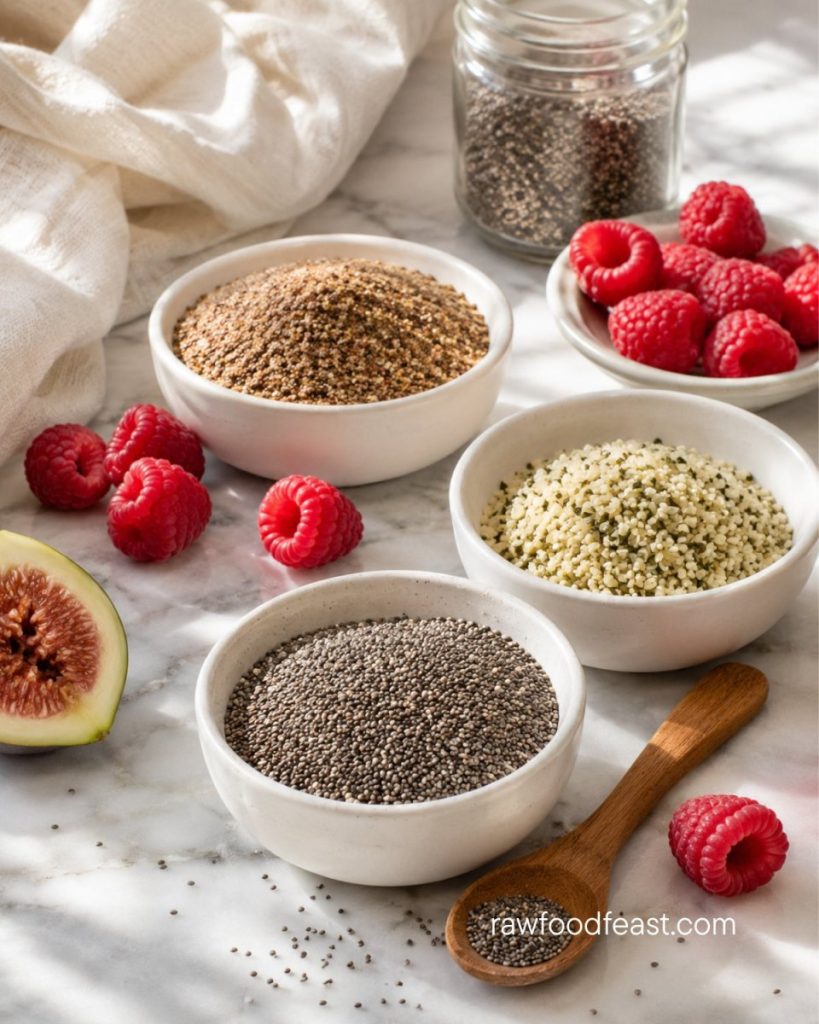
What the research consistently shows works: high fiber intake of at least 30 grams a day — with continued benefits for microbiome diversity and metabolic balance at 40 grams or more. Plant variety of at least 30 different plant foods a week. Low-glycemic carbohydrates like whole fruit, leafy greens, vegetables, and sprouts. Healthy plant fats from flax, chia, hemp, walnuts, and avocado. Anti-inflammatory plant compounds — polyphenols, sulforaphane, and omega-3s from plant sources.
On the flip side: the research consistently shows what doesn’t help: refined sugar and processed carbohydrates. Industrial seed oils high in inflammatory omega-6. Chronic under-fueling — extreme calorie restriction often makes PMOS worse, not better.
The science is now pointing where plant-centered eaters have been pointing for years. The name change just makes it official.
The Quiet Power of Fiber for Insulin Sensitivity
For a metabolic body, fiber is the single most powerful food lever. Fiber slows the release of sugar from your meals into your bloodstream. That single mechanism — slowed release — softens insulin spikes, reduces inflammation, and feeds the good bacteria in your gut. The gut bacteria then produce short-chain fatty acids that directly improve insulin sensitivity. It is a feedback loop in your favor.
Two types of fiber, and both matter. Soluble fiber dissolves in water and forms a soft gel in your gut. It slows sugar absorption, feeds good bacteria, and helps lower cholesterol. You find it in apples, pears, chia, citrus, carrots, beans — and yes, in fresh-pressed juice. It stays in the liquid. Insoluble fiber is the structural part of the plant — the cell walls, the skins, the strings. It doesn’t dissolve. It keeps things moving through your digestive tract. You find it in whole vegetables, fruit skins, sprouts, leafy greens, and raw nuts and seeds.
Both kinds matter, and most people aren’t getting enough of either. Thirty grams a day is the bare minimum the research supports. Forty grams or more is where a body genuinely thrives — and that is especially true for a body managing PMOS. For the full breakdown of how fiber deficiency actually shows up in the body, and how to know if you are in it, read Signs of Fiber Deficiency.
And if you have ever wondered exactly what stays in juice and what doesn’t — and whether juice still counts toward your daily fiber intake — here is the deeper explanation: Does Juicing Remove Fiber? Soluble vs Insoluble, Explained Simply.
Where Juicing Fits — The Honest Truth
Most people think juice has zero fiber. That is not true. Fresh-pressed juice contains soluble fiber — the same gentle, gel-forming fiber that slows sugar release and feeds your gut bacteria. What gets removed is the insoluble fiber, which is the pulp and the structural plant matter.
For a metabolic body, this matters in a specific way.
Leafy green and vegetable juices are heroes. Celery, cucumber, parsley, dandelion greens, lemon, ginger — these are low-glycemic, mineral-rich, anti-inflammatory, and high in soluble fiber. Your blood sugar barely moves. Your cells get a wave of magnesium, potassium, and chlorophyll. Drinking a green juice in the morning on a near-empty stomach is one of the gentlest, most metabolically supportive things you can do for a PMOS body.
Fruit juices are brilliant. Alive, mineral-rich, packed with enzymes — and one of the fastest ways to flood your body with the goodness of fresh produce. For someone dealing with PMOS, they ask for a bit more intention. Fresh fruit juice still has soluble fiber, but the natural sugar is more concentrated than it would be in the whole fruit. That is not “bad” — it just means being thoughtful about when and how. Fruit juice shines on an empty stomach, in the morning, drunk alone and quickly. That is when it does its best work — coming in fast, delivering, gone before insulin overstays its welcome.
For everyday rhythm, lean toward leafy green and vegetable juices most of the time, and reserve fruit for whole-fruit eating, where the structure and the chewing pace your blood sugar naturally. Both have their place. For the specific juice combinations that show up again and again in gut and hormone research, take a look at Best Juices for Gut Health — your daily gut base and a handful of rotation options worth keeping in your routine.
Fresh-pressed juice, taken with intention, is one of the most alive things you can put in your body.
If you want to see what eating for a metabolic body actually looks like day to day, Healthy & Free is the online community built around practical, delicious whole food (un)cooking and juicing — the kind of recipes that lean naturally into fiber-rich, anti-inflammatory plants without it ever feeling restrictive. Come join us and enjoy raw-inspired food that gives you energy, happy digestion, and glow.

The Plants That Quietly Support a Metabolic Body
These are the everyday foods the science of the new name points toward. None of them is a cure. Each one is a gentle vote for the body you want.
Bitter leafy greens like dandelion, arugula, watercress, and parsley. The bitter compounds support liver detoxification, which is how your body clears excess hormones (including the androgens that drive many PMOS symptoms). Bitter is its own category of nutrition.
Cruciferous vegetables — broccoli, cauliflower, kale, brussels sprouts — contain a compound called sulforaphane that research links to better insulin sensitivity and lower inflammation. You don’t need a special protocol — just a serving most days.
Broccoli sprouts are tiny but mighty. Broccoli sprouts contain fifty to one hundred times the sulforaphane of mature broccoli. A small handful sprinkled on a salad or smoothie is a daily metabolic gift. For the full breakdown of what sulforaphane actually does in the body, read Broccoli Sprouts Benefits.
Berries. Low-glycemic, polyphenol-rich, anti-inflammatory. Blueberries, raspberries, blackberries, strawberries — any of them, and ideally all of them across the week.
Flaxseed, chia, and hemp seeds for plant omega-3 fats. Anti-inflammatory at the cellular level. Two tablespoons daily — in a smoothie or smoothie bowl, stirred into fresh vegetable juice (carrot juice + ground flax is a great combo), or sprinkled on a salad.
Cinnamon. A small amount in your morning bowl or smoothie. Research supports cinnamon’s role in insulin sensitivity. Not a cure, just a quiet helper.
Magnesium-rich plants. Magnesium deficiency affects around half of Western populations and is especially common in PMOS bodies. Pumpkin seeds, sesame, leafy greens, hemp seeds, almonds, avocado — all rich sources. Magnesium plays a role in insulin signaling, sleep, muscle relaxation, and nervous system calm — all systems that matter for a metabolic body. To recognize whether you might be running low (and what to add to start replenishing), read Signs of Low Magnesium.
Diverse plants for the microbiome. The bacteria in your gut directly shape inflammation, hormone clearance, and even mood. Variety is the lever — thirty different plant foods a week feeds a more diverse microbiome than the same five plants every day. And the microbiome’s reach goes further than digestion. For how gut health quietly shapes mood, focus, and energy through the gut-brain connection, read The Gut-Brain Connection.
How to Start (Without Overhauling Everything)
Don’t try to overhaul everything tomorrow. PMOS isn’t a five-day-cleanse condition. It is a relationship with your body that takes time to retune.
Pick one small daily shift. Maybe it is a green juice in the morning. Maybe it is adding a handful of broccoli sprouts to lunch. Maybe it is two tablespoons of ground flax in your morning smoothie. Whatever you choose, do it consistently for a few weeks before adding the next thing. Your body responds to consistency more than to intensity.
Listen to what your body tells you. The signals are real — energy, sleep quality, cycle regularity, skin clarity, mood stability. These are the things that shift when the metabolic terrain changes.
And remember — this isn’t about treating an ovarian problem you might not have. It is about supporting a metabolic body that has been asking for support all along. The name change is medicine catching up to what your plate has been quietly telling you the whole time.
The science is now firmly on your side. The Lancet paper, the global consensus, the 22,000 women who pushed for this — they are all saying the same thing your body has been saying for years. PMOS is metabolic. Food is one of the most powerful levers you have. And the kind of food that supports a metabolic body is the kind that has been on the plate of every gut-centered, plant-powered eater for generations.
You knew it before it had a name. The food has been the answer all along.