Mirjam Henzen
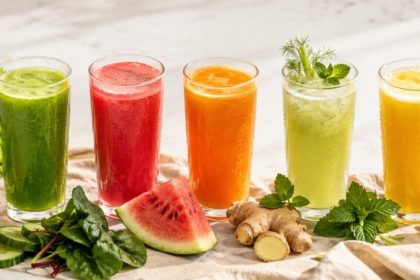
 If your mornings are full and your time is tight, batch juicing is about to change everything. One session, enough juice for the whole day — or the next three days — without sacrificing a thing.
The idea is simple. Instead of juicing every single time you want a glass, you make a larger batch in one go and store it properly so it stays fresh, nutrient-rich, and genuinely delicious. Whether you are juicing for yourself, for your family, or working through a juice fast that demands serious volume — batch juicing is the skill that makes all of it sustainable.
What Is Batch Juicing?
Batch juicing means making all your juice in a single session instead of juicing each glass individually throughout the day. You wash your produce, run it through your juicer, fill your bottles, and you are done. The rest of the day — or the next two to three days — your juice is already waiting for you.
Some people batch juice in the morning for the full day ahead. Others make enough on a Sunday to carry them through midweek. Families batch to have fresh juice ready for everyone without running the juicer three separate times before breakfast. And during a juice fast — where you need a lot of juice every day — batch juicing is what makes that easy and doable without spending half your waking hours at the juicer.
There is no single right way to do it. Making fresh juice every morning is a beautiful ritual. Batch juicing is equally wonderful — it serves different rhythms, different schedules, different seasons of life. Neither approach is better than the other. Both put fresh, living juice into your body. That is the only thing that matters.
Why Batch Juicing Is Worth It
The most obvious reason is time. Washing, prepping, juicing, and cleaning takes real minutes out of your morning — and if you are doing it two or three times a day, those minutes add up fast. With batch juicing, you do it once. One round of prep, one cleanup, and you are set.
But the real shift goes deeper than saving time. Batch juicing makes juice fasting genuinely easy and doable. When you need a lot of fresh juice every single day, juicing each glass individually takes up most of your time — and it is hard to sustain. One focused morning session changes that entirely. You make your full day’s supply, pour it into glass bottles, and you are done for the day.
For families, batch juicing means everyone gets fresh juice without someone standing at the juicer all morning. You fill a large pitcher, set out glasses, and breakfast is handled.
And here is the part that makes the biggest practical difference: when you batch juice with a hands-free cold press juicer, your hands are free while the juicer runs. That means you can chop salad ingredients, blend a dressing, put together smoothie bowls — all while the juice is being made. You stay in the kitchen multi-tasking, and your entire food prep for the day happens in one session. That kind of hands-free efficiency is what turns juicing from a daily task into something that just flows.
How Long Does Batch Juice Last?
This is the question everyone asks first, and the answer depends almost entirely on what kind of juicer you use.
With a cold press juicer — like a Nama or Hurom — your juice stays fresh for up to 72 hours when stored in airtight glass filled all the way to the top. That includes leafy greens like spinach, parsley, and kale. Cold press extraction introduces very little air and no heat, which means oxidation stays minimal and the juice holds its color, flavor, and nutrition for days.
I use both and love both the Nama and Hurom juicers for different reasons — if you are not sure which one fits your lifestyle best, this side-by-side breakdown makes the choice simple: Nama J2 vs Hurom H320N.
Centrifugal juicers are a different story. The high-speed blade pulls in a lot of air during extraction, which accelerates oxidation from the moment the juice hits the container. With centrifugal juice, you are looking at 24 hours maximum — and honestly, it tastes best within the first few hours.
The difference comes down to oxidation — the same process that turns a sliced apple brown. Cold press introduces far less oxygen into the juice, which is why it lasts so much longer. It is also why cold pressed juice tastes noticeably cleaner and brighter even on day two or three.
One of the simplest batch juicing tips: add fresh lemon or lime to every batch. The vitamin C acts as a natural preservative that slows oxidation — and it does double duty by helping your body absorb the iron from leafy greens in the juice. A squeeze of lemon in every bottle is one of those small things that makes a real difference.
The full breakdown of storage times, signs of freshness, and what to watch for is covered in How Long Does Fresh Juice Last?
Which Produce Stores Well and Which Doesn’t?
Not everything stores equally well once juiced, and knowing which produce holds up is one of the most useful batch juicing tips you will come across — because it lets you plan your batches around what actually lasts.
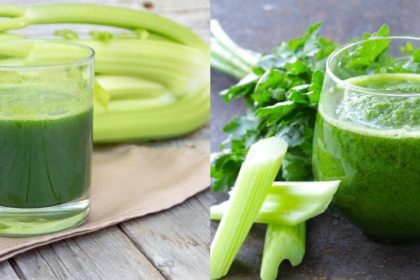
Celery is one of the best ingredients for batch juicing. It holds its flavor and nutrition beautifully for the full 72 hours in cold pressed juice, and it makes a clean, hydrating base for almost any juice combination. Celery is also one of the most mineral-rich ingredients you can juice — the full picture of what it does for your body is explored in Celery Health Benefits.
Cucumber stores just as well. So does romaine and apple. These are your workhorses — the produce you can confidently batch on a Sunday and still enjoy on Wednesday.
Leafy greens — spinach, parsley, kale — hold for 72 hours with cold press in airtight glass, especially when you add lemon. That is something many people do not realize. The slow extraction keeps the juice stable, and the airtight seal does the rest. Spinach is especially worth including regularly — the iron, folate, and chlorophyll it delivers in juice form are covered in detail in Spinach Juice Benefits.
Ginger, lemon, and lime all store well and actually help preserve the rest of the juice. Think of them as your built-in freshness insurance.
What does not store well? Watermelon juice and pineapple juice. Both are best made fresh and enjoyed the same day — they lose flavor and structure quickly, even in cold press.
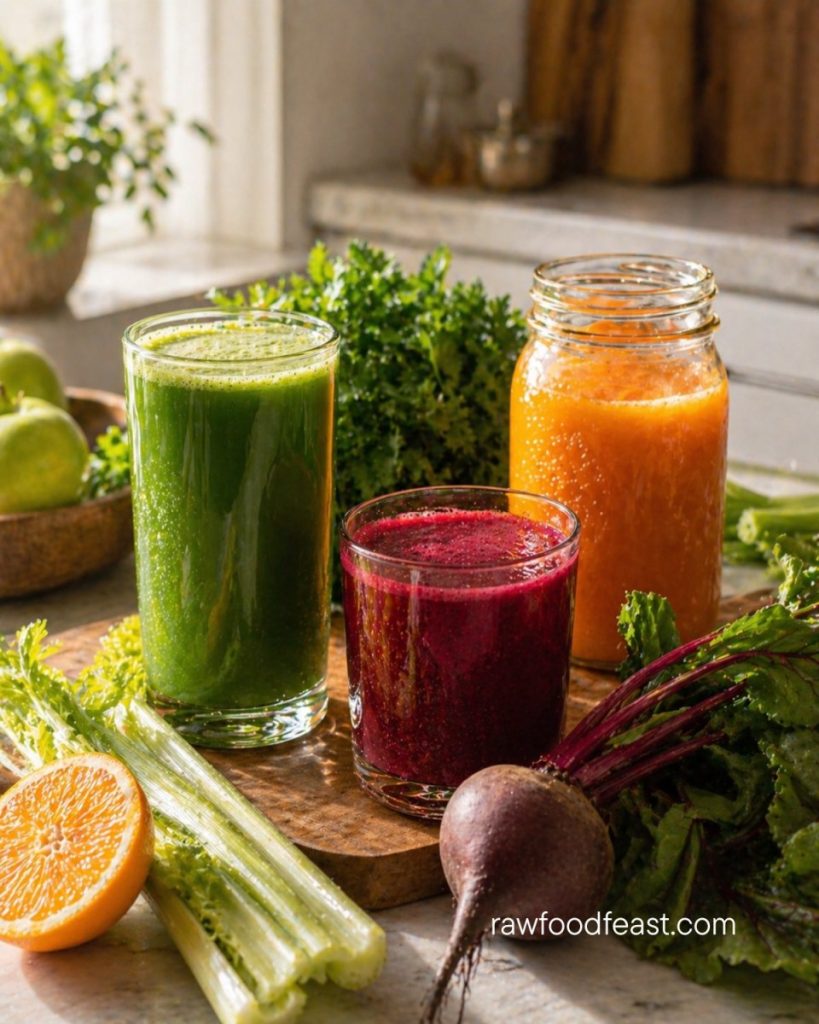
Beet juice stores beautifully for the full 72 hours in glass bottles. The deep color stays vibrant, the earthy sweetness holds, and you get the full benefit of the iron, folate, and plant compounds that make beet juice so powerful.
Can You Freeze Cold Pressed Juice?
Freezing works well when you need juice to last beyond the 72-hour window. Minerals, vitamins, and enzymes mostly survive freezing — they are stable enough to make it through the process and come back when you thaw. Freezing slows enzymes rather than destroying them. That part only happens with heat. When the juice thaws, your body still gets the full live nutrition you would get from a fresh batch.
Frozen homemade cold-pressed juice is vastly better than no juice at all. And it is incomparably better than pasteurized store-bought juice, which lost its enzymes during processing — pasteurization is heat treatment, and heat is the one thing enzymes do not survive. If freezing a batch on Sunday means you drink juice every single day that week instead of skipping it — freeze with confidence. You are still giving your body something powerful.
Leave about two centimeters of space at the top of each container before freezing — liquid expands as it freezes and you do not want cracked glass. Thaw in the fridge overnight rather than at room temperature, and drink within 24 hours once thawed.
The goal is consistency. However you get fresh juice into your day, that is the right way.
Why Homemade Juice Is Always Better Than Store-Bought
One bottle from the store costs more than a full bag of produce at home. That alone is worth thinking about — especially if you are drinking juice daily or juice fasting. Whether you juice fresh every morning or batch for the week, homemade wins on cost every single time.
But the real difference is not just the price. It is what is actually in the juice.
Store-bought juice is almost always pasteurized. That means it has been heated to a temperature that kills bacteria — but also kills the living enzymes, reduces the vitamins, and strips out much of what makes fresh juice so powerful in the first place. Pasteurized juice is a completely different product from what comes out of your cold press juicer at home. The taste alone tells you that. One sip of fresh cold-pressed juice next to a bottle from the supermarket shelf and there is no comparison.
Fresh juice also retains its soluble fiber — the kind that feeds your beneficial gut bacteria and supports smooth digestion. Most store-bought juice is filtered or made from concentrate during processing, which means much of that fiber never makes it into the bottle.
This is not about being a purist. It is about understanding what you are actually getting. When you batch juice at home with a slow juicer, you are drinking living juice — enzymes intact, minerals in a form your body actually absorbs, soluble fiber still present. That is a fundamentally different experience from something that has been pasteurized, bottled, and sitting on a shelf for weeks.
The difference between cold press and centrifugal extraction — and why it matters for both freshness and nutrition — is covered in Cold Press vs Centrifugal Juicer.
The Best Setup for Batch Juicing
If you are serious about how to batch juice regularly, the setup you use makes a noticeable difference. Not just in juice quality — in how easy it is to actually do it consistently.
The Nama J2 with the large hopper is what I use for batch juicing, and it is built for exactly this kind of workflow. You load your produce into the hopper and the juicer feeds itself while your hands are free for other food prep — dressings, salads, smoothie bowls, whatever else you are making that day. You stay in the kitchen multi-tasking, and your juice session becomes part of a larger prep session rather than a standalone task. That shift alone makes batch juicing feel effortless.
For larger batches — families, juice fasts, making a few days’ worth at once — the large pitcher set is genuinely useful. It holds more juice than the standard juice container, so you can run a bigger batch without stopping to pour.
For storage, the glass bottle set is what keeps everything fresh. Airtight glass, filled to the top, stored in the fridge — that is the formula for juice that tastes as good on day three as it did the moment you made it. And the on-the-go glass bottle is perfect for your morning green juice or for taking juice with you when you leave the house.
Use discount code RAWFOODFEAST to save on the Nama J2, the large hopper, the pitcher set, the glass bottles, and all other Nama accessories.
If you are just getting started and want a simple, no-fuss recipe to begin your mornings with, the full guide is in Best Beginner Morning Juice.
My Batch Juicing Routine
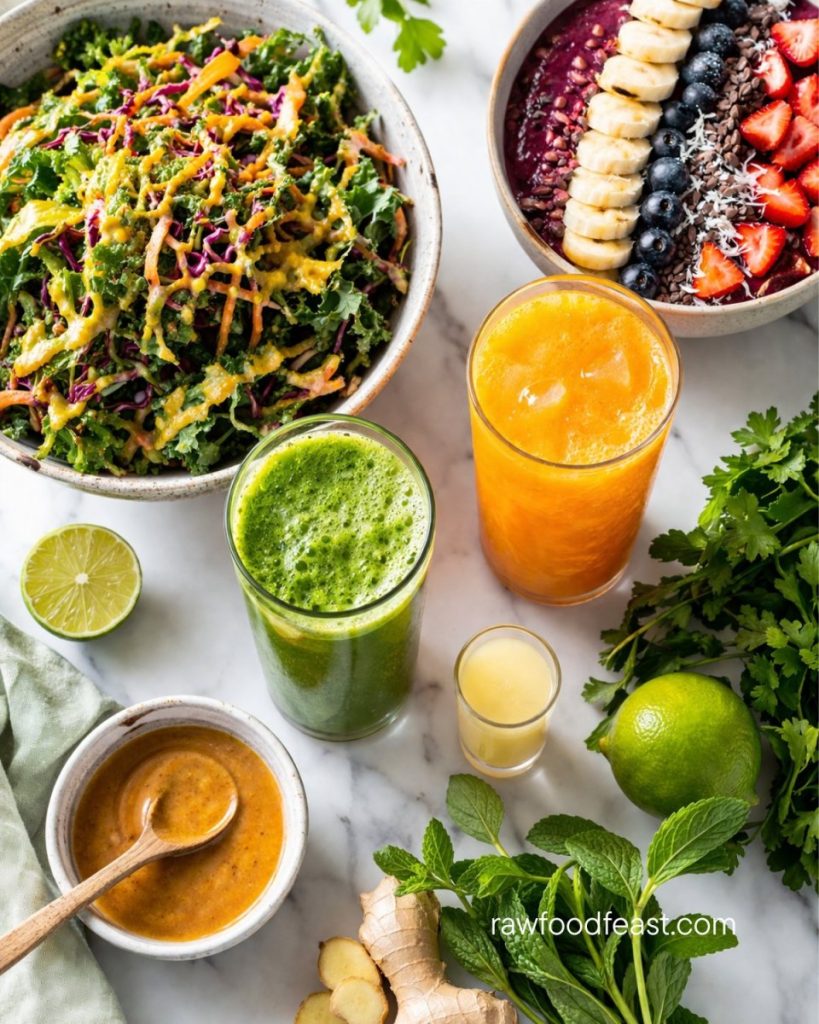
My batch juicing routine is a morning thing. I set up everything at once — produce washed, cutting board out, juicers ready — and I make all the juice I need for the day in one session. I use my Hurom to make my green juice, I drink every morning — and in the meantime I use my Nama with the citrus attachment to press orange juice for the day. Often I make another juice after with either machine, and while the juicer runs I am making my dressing or putting together a smoothie bowl. By the time I am done, I have a full lineup of glass bottles in the fridge and half my food prep is already handled.
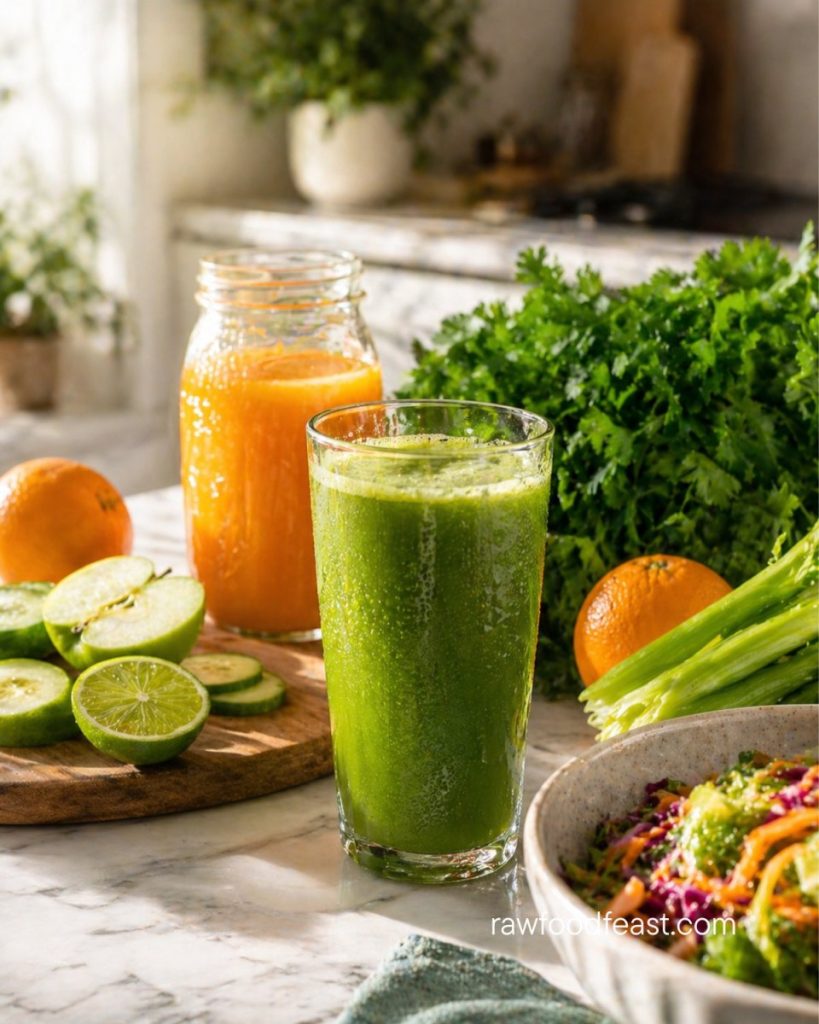
I drink my first juice in the morning — my Parsley Cucumber Apple Green Juice. The rest stays in airtight juice bottles filled to the top, and I pull one out whenever I am ready for the next juice. My last juice of the day is usually an orange juice before dinner — the vitamin C helps my body absorb iron from the leafy greens I eat at my evening meal, and it is a beautiful way to close the day.
During juice fasts — or as I call them, juice feasts, because a real one is built around nourishment — batch juicing is essential. When you need a lot of juice in a single day, juicing each glass individually takes up more of your time — and it is hard to sustain. I make the full day’s supply in one morning session, line up the bottles, and the only thing left to do is enjoy them. It does not just save time but it also sets your juice fast up for success. Whenever your body signals for juice, it is ready for grabs — and if you need to leave unexpectedly you can just grab a few bottles and go.
The deeper experience of what happens during a juice feast — the energy shifts, the clarity, the way your body responds day by day — is something I have written about in detail in Juice Fast Benefits.
The order you juice in matters too — not just within a single juice but across your whole session. I always start with my green juice, then move to lighter juices like apple lime ginger, and finish with anything that has beet in it. Beet is best saved for last because the deep color and earthy flavor carry over into whatever you juice next if you do not.
The glass bottle set from Nama is something I genuinely love using. The bottles are airtight, they are the right size for individual portions, and they keep juice fresh all day. The on-the-go bottle is great when I leave the house and want my morning green juice with me. It is one of those small things that makes the whole routine feel smooth.
Batch Juicing for Families and Juice Fasts
These are the two groups that benefit most from batch juicing — and they need it for completely different reasons.
For families, it is about making enough fresh juice for everyone in one session. Kids included. It is also really great to involve kids in the juice making process — kids love to help and it teaches them right away how easy and delicious healthy eating can be. Both the Nama and Hurom are great for letting kids help under your supervision. A large pitcher set helps here — you can make a bigger volume without stopping to pour, and everyone gets served from the same batch. Fresh juice for the whole household, done in one session.
For juice fasters, batch juicing is what makes the volume realistic. The setup is the same — large hopper, glass bottles, one focused session — but consistency matters even more because you are relying on juice for everything that day. Having it all ready and waiting is what keeps you going.
Both audiences benefit from the same setup — a hands-free juicer with a large hopper, a large pitcher for bigger volumes, and airtight glass bottles for storage. The convenience is what makes it sustainable. And sustainability is what makes the difference between juicing for a week and juicing for life.
The changes that happen in your body when fresh juice becomes a daily habit — not occasional, but truly consistent — build on each other in ways that are hard to appreciate until you experience them. That progression is mapped out in What Happens When You Drink Juice Daily.
Fresh Juice Every Day Is the Goal
Whether you juice fresh every morning as a beautiful daily ritual or batch everything in one go and line up your bottles for the week — the point is the same. Fresh juice is in your life. Consistently. Joyfully. Not as an obligation or a task to check off, but as something your body and you genuinely look forward to.
How you get there matters less than the fact that you do. Some weeks you will have the time and energy to juice every single morning, and that will feel wonderful. Other weeks — busy ones, full ones — batch juicing will be the thing that keeps you going. Both are real. Both count. Both fill your glass with something genuinely alive.
The fridge stocked with glass bottles of fresh-pressed juice. The first sip on a Tuesday morning that tastes exactly as fresh as the day you made it. The energy that shows up quietly, reliably, because your body is getting what it needs. That is what batch juicing gives you. Not a shortcut. A rhythm.