Mirjam Henzen
 You’ve been eating well. Plenty of greens, plenty of plants, and the kind of meals that should feel like they’re working. And yet your skin feels drier than it should, your mood dips for no reason, and your focus drifts by mid-afternoon. If something like that sounds familiar, the missing piece is probably smaller than you’d expect — and easier to fix than you think.
The signs of omega-3 deficiency tend to show up as small, scattered things. Dry skin. Brittle hair. Joint stiffness. A mind that won’t quite stay sharp. None of them feel dramatic on their own. Together, they tell you your cells aren’t getting enough of one specific kind of fat to do their daily work well.
Omega-3 is what your body uses to build flexible cell membranes, calm inflammation, and keep your brain, eyes, skin, and joints running smoothly. When it runs low, those systems start to slow down. The good news: plants deliver omega-3 in abundance. You just need to know which ones, and how to use them every day.
What Does Omega-3 Actually Do in Your Body?
Omega-3 is a specific kind of fat your cells need to function. Your brain is roughly 60% fat, and a large portion of that is omega-3. Your eyes — particularly the retina — concentrate omega-3 more densely than almost any other tissue. Every cell in your body is wrapped in a membrane built partly from these fats, and how flexible that membrane is determines how well the cell can communicate, absorb nutrients, and clear waste.
Omega-3 also helps calm inflammation. Not by switching it off — your body needs some inflammation to heal — but by helping the on-and-off rhythm work the way it’s meant to. When omega-3 levels are steady, that rhythm runs smoothly. When they’re low, low-grade inflammation tends to linger longer than it should, which is part of why deficiency symptoms feel persistent and unexplained.
So omega-3 isn’t a nutrient you need in large amounts. It’s a nutrient you need consistently, because your body uses it everywhere, every day.

What Are the Signs of Omega-3 Deficiency?
These are the scattered signals that show up when omega-3 has been running low for a while. Most people notice two or three — rarely all eight at once.
1. Dry, flaky skin. Your skin barrier is built partly from these fats. When intake is low, the barrier loses moisture faster than it can replenish it.
2. Brittle, dull hair. Hair shafts need consistent fatty acids for shine and flexibility. Dryness and breakage often follow when those fats run thin.
3. Dry eyes. The tear film that keeps your eyes lubricated relies on omega-3 to stay stable. Itchiness, grit, or eyes that tire quickly are common early signs.
4. Joint stiffness — especially first thing in the morning. Omega-3 calms the low-grade inflammation that makes joints feel rigid.
5. Brain fog. The brain is fat-heavy by nature, and DHA — the omega-3 form your brain depends on — is what keeps signaling clean and quick.
6. Mood swings or low mood. The same DHA helps build the parts of your brain that regulate mood. When supply lags, the regulation lags too.
7. Slow wound healing. Omega-3 plays a role in how your cells repair themselves. Cuts, bruises, or skin scrapes that take longer than usual to fade are an easy one to miss.
8. Persistent fatigue that food and rest don’t quite fix. Cell membranes built from low-quality fats are less efficient. Energy that should be on tap stays slightly out of reach.
The same scattered-signal pattern shows up with other plant-sourced nutrients too. If fatigue and pale skin are part of the picture, the iron side is unpacked in 8 Signs of Iron Deficiency — and the Raw Plant Foods That Restore Your Energy. If sleep and muscle tension are showing up, the magnesium overlap is explored in 6 Signs of Low Magnesium — and the Raw Foods That Fix It Every Day.
How Your Body Turns Plant Omega-3 into Brain and Cell Fuel
Plants give you omega-3 in a form called ALA — alpha-linolenic acid, the parent omega-3 fat. Your body then converts ALA into EPA and DHA, the longer-chain forms your brain, eyes, and skin actually use. That conversion is genuinely happening every day in a healthy body. Women typically convert more efficiently than men — research suggests estrogen plays a role — and steady daily intake is what keeps the conversion humming.
The conversion isn’t 100%. Roughly 5 to 10% of ALA gets converted to EPA, and somewhere between half a percent and a few percent reaches DHA, with women often hitting the higher end. That’s exactly why daily intake matters more than occasional. Eating ALA regularly is the lever that keeps the supply chain running smoothly — and the same nutrients that support the conversion, zinc and B6 and magnesium, already live in the seeds and leafy greens that provide ALA in the first place. The whole picture works together.
The same companion-effect — nutrients working together rather than in isolation — runs through how plants deliver protein too. The full breakdown is in The Plant Protein Myth: What Your Body Actually Needs (And Why Fiber Is the Real Gap).
The Plant Foods That Deliver Omega-3 Every Day
These are the foods that do the work — and the practical amounts that actually move your levels.
Ground flaxseed delivers about 2.3g of ALA per tablespoon — the richest plant source by serving. Grind it fresh; whole flaxseeds pass through largely undigested.
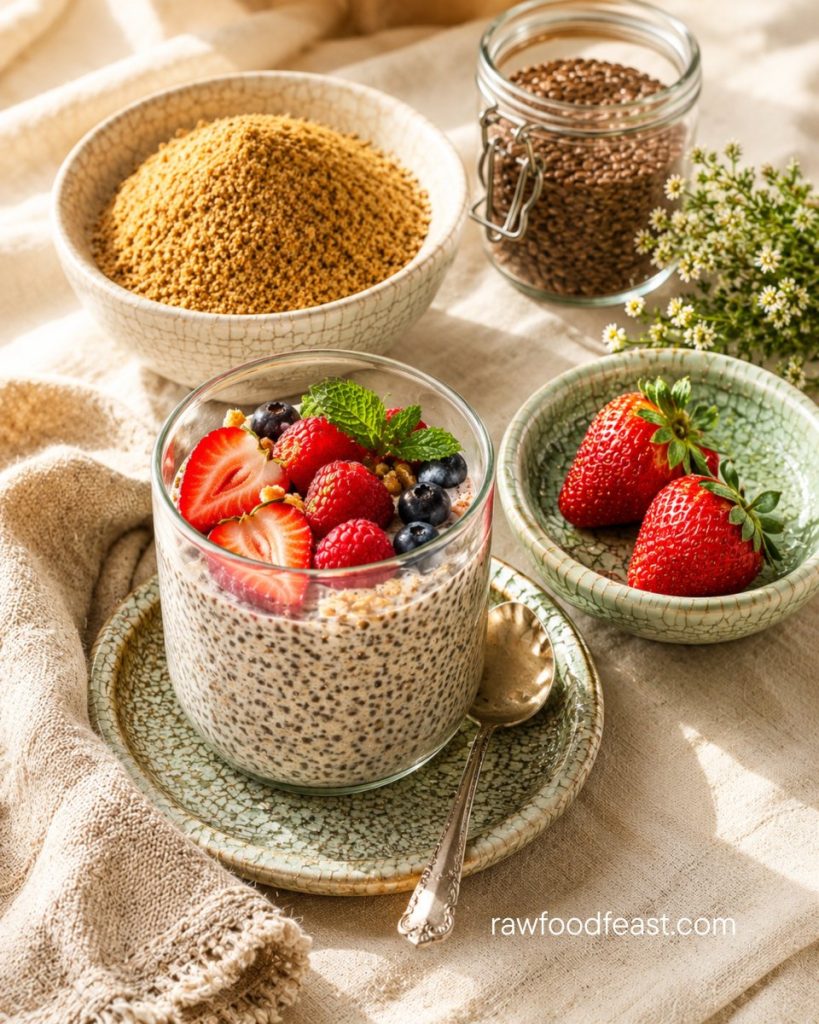
Chia seeds bring about 1.9g of ALA per tablespoon. Soak them or stir them into juice — they swell to about ten times their size in liquid and become a slow-release source of both omega-3 and fiber.
Walnuts give you about 2.5g of ALA in a single ounce (roughly 14 halves). One of the few nuts that delivers meaningful omega-3.
Hemp seeds offer about 600mg of ALA per tablespoon. Lower per gram than flax or chia, but with a balanced omega-6 to omega-3 ratio that complements your daily intake.
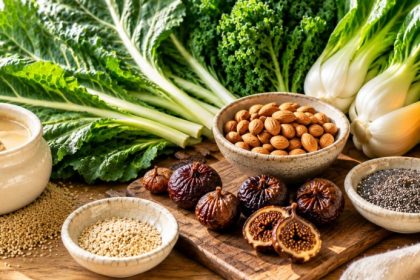
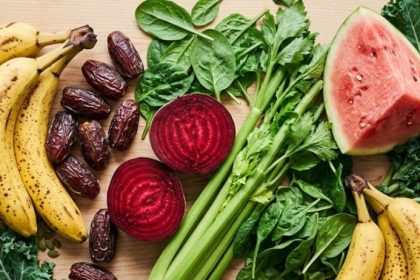
Dark leafy greens contribute small per-serving amounts that add up across the day — especially when juicing makes greens easier to drink than chew.
Sea vegetables — nori, dulse, wakame — offer trace EPA and DHA directly, since these come from the algae that ocean fish eat in the first place.
If you’re tracking your daily intake, plant variety actually does the work for you. Flax, chia, hemp, walnuts, leafy greens, and seaweed all show up as different plants in Fiber First, the fiber tracker for gut health that counts every plant you eat in a week, plus your daily fiber and hydration. Knowing how many different plants you’ve already had makes the omega-3 picture clearer than chasing one specific food.
How Much Omega-3 Do You Need Each Day?
The general recommendation is 1.1g of ALA per day for women and 1.6g for men. That’s the baseline. People eating plant-based or raw plant-based diets often aim higher — around 2 to 3g of ALA a day — to support steady conversion to EPA and DHA.
In practical terms, that’s a tablespoon of ground flaxseed, or a tablespoon of chia, or an ounce of walnuts. One serving a day. Stack two and you’ve covered it comfortably, with room to spare.
When supplementation comes up — particularly algae oil for direct DHA — the choice depends on your symptoms and your day-to-day food. The honest framing on this lives in Do I Need Supplements? The Truth About B12, Isolates, and Why Food Wins.
What a Steady Omega-3 Day Actually Looks Like
A day that covers omega-3 doesn’t ask for effort. A tablespoon of ground flaxseed stirred into a morning juice or smoothie. A handful of walnuts with fruit at lunch. Chia soaked overnight in nut milk for a breakfast pudding. Greens through the day, however you usually eat them. None of it has to be deliberate once it becomes routine.
The shift happens in weeks, not days. Cell membranes turn over slowly — the fats you eat today become the membranes your skin and brain are using two to three weeks from now. That’s why people who suddenly add daily flaxseed don’t feel different the next morning, and why those who keep it up start noticing the change somewhere around the four-week mark.
Intentional daily choices, steady intake, and a body that catches up on its own time. Your skin softens. Your focus settles. Your joints loosen. The signs you noticed start fading not because anything dramatic happened — but because you finally gave your cells what they were waiting for.