Mirjam Henzen
 Hormones don’t float freely in the body on their own. They’re made, transported, used, and cleared through systems that depend heavily on hydration and digestion. When those systems are strained, hormones tend to feel louder, heavier, or more unpredictable.
Hydration affects how hormones travel through the bloodstream and lymphatic system. Digestion affects how nutrients are absorbed, how waste is cleared, and how much metabolic energy the body has available to regulate signals. When hydration is low or digestion is overworked, hormone signaling can become sluggish or erratic—not because something is “wrong,” but because the terrain is congested.
Raw foods support hormone balance by lightening digestive load while increasing mineral intake. Minerals act as messengers and regulators in the body. They help enzymes function, support nerve signaling, and assist detox pathways that clear used hormones. When hydration and minerals are steady, hormones tend to move through their cycles with less friction.
The gut–hormone connection most people overlook
Your gut plays a direct role in hormone balance, especially for estrogen and cortisol. After hormones have done their job, they’re sent to the liver for processing and then moved into the gut for elimination. If digestion is slow or the gut environment is dry and congested, those hormones can linger longer than intended.
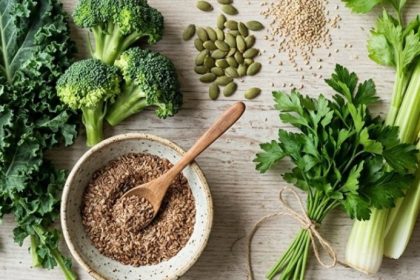
Raw foods—especially fruits, leafy greens, and watery vegetables—bring hydration, fiber, and enzymes that support smooth intestinal movement. Fiber helps escort hormone byproducts out of the body. Enzymes reduce digestive effort. Hydration keeps everything moving without strain.
This is why digestive comfort and cycle comfort are so often linked. When the gut moves with ease, hormones tend to feel less “stuck.” Many people notice fewer heavy sensations, less abdominal pressure, and a calmer internal rhythm when digestion is supported consistently.
How raw foods reduce metabolic stress on the cycle
Hormonal balance isn’t just about what you eat—it’s about how much work your body has to do to process it. Every digestive task draws on metabolic energy. When digestion is heavy or prolonged, the body diverts resources away from hormone regulation toward basic processing.
Raw foods are easier to break down because they retain their natural enzymes and water content. This doesn’t mean cooked foods are “bad,” but it does explain why raw foods often feel lighter during sensitive phases of the cycle. Less digestive effort means more energy available for hormone production, communication, and clearance.
This reduction in metabolic stress can be especially noticeable in the days leading up to menstruation, when the body is already managing shifts in progesterone, estrogen, and fluid balance. Raw foods help create internal spaciousness at a time when the system benefits from simplicity.
Why timing matters for hormone-supportive eating
Just as with hydration and juicing, timing shifts where benefits land. Raw foods eaten earlier in the day—when digestion is naturally more active—tend to support hormone balance more effectively than heavy meals late at night.
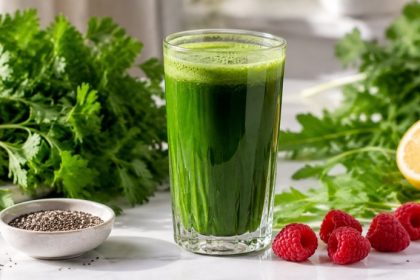
Morning hydration and light, mineral-rich foods help the liver process hormones efficiently throughout the day. When the liver receives fluids and nutrients early, it can handle both daily metabolic work and hormone clearance with less backlog.
This timing principle is explored clearly in Morning Detox Juice for Energy: Why It Works Best on an Empty Stomach which shows how early hydration changes which systems receive support first.
The same logic applies to raw foods. Earlier intake supports flow; later intake tends to focus more on digestion. Neither is wrong—timing simply shifts emphasis.
Hydration, minerals, and the cycle’s fluid rhythms
Hormones influence fluid retention, electrolyte balance, and circulation throughout the cycle. When hydration is inconsistent, these natural shifts can feel amplified. Raw foods help stabilize this by delivering water and minerals together, not separately.
Potassium supports fluid balance inside cells. Sodium helps regulate nerve signals and adrenal communication. Magnesium supports muscle relaxation and nervous system calm. These minerals don’t work in isolation—they operate as a network. Raw fruits, leafy greens, and vegetables deliver them in ratios the body recognizes easily.
This is one reason many people feel steadier when raw foods are part of their daily rhythm. The body doesn’t have to compensate as hard. Fluid moves more evenly. Signals feel clearer.
Raw foods, digestion, and bloat across the cycle
Digestive sensitivity often changes across the menstrual cycle. Some phases favor lighter foods, while others tolerate more density. Raw foods offer flexibility because they can be scaled up or down without overwhelming digestion.
Hydrating raw foods reduce dryness in the gut, which supports motility and reduces pressure. When digestion moves smoothly, bloat often decreases—not because foods are being restricted, but because the gut environment is supported.
This digestive–hormonal relationship connects closely to timing, as shown in Best Time to Drink Celery Juice for Digestion and Bloat Relief: What Happens When You Drink It First Thing which explains how early hydration influences digestive comfort throughout the day.
Raw foods work in a similar way: they prepare the system rather than pushing it.
What hormone-supportive raw eating looks like in real life
Supporting hormone balance with raw foods doesn’t require perfection or strict rules. It’s about consistency and responsiveness. Including raw fruits, salads, juices, or blended foods alongside regular meals often provides enough hydration and mineral support to make a noticeable difference.
This approach appeals to people who want nourishment to feel easeful rather than controlling. It’s also why Healthy & Free resonates with those drawn to raw-inspired living—they’re looking for simple ways to support energy, digestion, and glow without turning food into a project.
Raw foods don’t override the body’s intelligence. They support it by reducing strain and improving flow.
Long-term hormone balance is about ease, not control
Hormones respond best to environments that are hydrated, nourished, and rhythm-friendly. Raw foods help create that environment by supporting digestion, easing metabolic demand, and delivering minerals in a form the body can use readily.
When hormone balance improves with raw foods, it’s subtle yet effective. Cycles feel smoother. Digestion feels calmer. Energy steadies. The body does what it already knows how to do—just with fewer obstacles in the way.