Mirjam Henzen
 Leg cramps that wake you at 3am. A heart that skips or races when nothing stressful is happening. That mid-afternoon crash no amount of sleep seems to fix. These symptoms don’t always point to the same thing — but when they show up together, signs of low potassium are worth taking seriously.
Potassium is the mineral most people assume they’re getting enough of because they eat a banana now and then. Most aren’t getting close to what their body actually needs. And the gap shows up in some unexpected places.
Potassium is found in abundance in raw plant foods. Getting more of it — consistently, through food — is often all it takes for these symptoms to ease.
What Are the Signs of Low Potassium?
The signs of low potassium show up across the body — in muscles, in the heart, in the gut, and in how you feel mentally. Most people recognize at least two or three before they ever connect them to the same thing.
Muscle cramps, especially at night. Potassium is essential for the electrical signal that tells a muscle to release after it contracts. When potassium is low, muscles can seize up and struggle to let go. The classic sign is a calf cramp that wakes you in the night — but it also shows up as persistent tightness, weakness, or a heaviness in the legs that doesn’t clear.
Heart palpitations. The heart is a muscle, and it depends on potassium for a steady electrical rhythm. Low potassium disrupts that rhythm in small but noticeable ways: a fluttering sensation, the occasional skipped beat, or a sense that your heart is working harder than it should. When potassium levels come back up, most people find it settles faster than they expected.
Fatigue that doesn’t respond to rest. Potassium is involved in how cells produce energy. Without enough of it, cells can’t use what you give them efficiently. The result is a tiredness that sleep doesn’t fix — because it isn’t sleep you’re short on. It’s fuel at the cellular level.
Constipation and sluggish digestion. Potassium regulates the smooth muscle contractions that move food through your digestive tract. When it’s low, things slow down. Bloating, fullness, and constipation that doesn’t respond to more water often has a mineral component — and potassium is frequently the missing piece. The juices that do the most for gut motility and digestive ease are covered in Best Juices for Gut Health: What to Drink Daily for Better Digestion, Immunity, and Skin.
Puffiness and fluid retention. Potassium and sodium work as a pair throughout the body. Potassium keeps sodium in balance — when potassium is low, sodium accumulates, and with it water. The result is a puffiness that isn’t weight gain: it’s fluid the body is holding because the mineral balance is off.
High blood pressure. Potassium causes blood vessels to relax — and when potassium is low and sodium climbs, blood vessels stay tighter and pressure rises. Many people manage blood pressure without ever addressing the mineral imbalance quietly behind it. Getting potassium consistently through food is one of the most underused ways to support it naturally.
Mood shifts and difficulty concentrating. Potassium supports nerve signaling, including in the brain. Low levels affect how clearly you think and how steady your mood stays through the day — a quieter sign, but a consistent one. Why mental clarity so often starts with what is happening in the gut and in your mineral levels is explored in How to Clear Brain Fog Naturally: Why It Starts in Your Gut (And How Raw Food Lifts It).

Why Does Low Potassium Cause All of These Symptoms?
Every cell in your body runs a sodium-potassium pump — a mechanism that moves potassium into the cell and sodium out. This pump powers nerve signals, drives muscle contractions, keeps the heart beating in rhythm, and determines how well the gut moves. When potassium is in short supply, the pump slows. And when the pump slows, everything it powers slows with it.
One job — running that pump — is behind so much of what the body does. That is why signs of low potassium show up in so many different places at once. The pump slows, and everything it powers slows with it.
Potassium is also what makes water actually work. As an electrolyte, it determines how well water actually reaches your cells rather than just passing through. Drinking more water without addressing mineral levels is part of why many people stay dehydrated even when they drink plenty. The connection between minerals and true cellular hydration is covered in Why You Can Drink Plenty of Water and Still Feel Dehydrated.
If you want to understand how to build mineral balance day to day — in real meals with real recipes — Healthy & Free is an online community built around practical, delicious whole food (un)cooking and juicing. Come join us and enjoy food that gives you energy, happy digestion, and glow.
Which Raw Foods Are Highest in Potassium?
Most adults need between 2,600 and 3,400mg of potassium daily. A raw food diet hits that target naturally — often well past it — once you know where the mineral concentrates.
Avocado is the standout. One medium avocado delivers close to 975mg — more than double what a banana provides, alongside magnesium and healthy fats that support absorption. Half an avocado in a salad or as a topping is one of the easiest daily habits for potassium.
Coconut water is one of the most direct ways to restore potassium quickly. A single cup contains around 600mg along with other electrolytes that work alongside it. It is particularly useful after exercise or in warm weather when potassium loss through sweat is higher.
Medjool dates bring around 167mg per date along with fiber and natural sugars. Two or three dates as part of a morning routine adds up meaningfully over time.
Bananas earn their reputation — about 422mg per medium banana, and genuinely easy to build into daily eating. Ripe bananas — those spotted ones — are more alkaline and easier on digestion than firm, unripe ones.

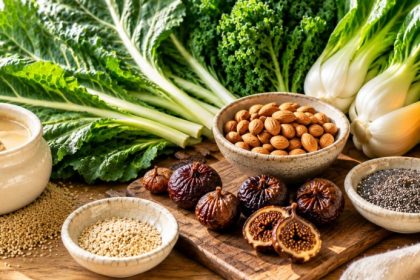
Dark leafy greens — spinach, Swiss chard, kale — are consistently among the most potassium-dense foods you can eat raw. A large portion of fresh spinach in a salad delivers several hundred milligrams alongside magnesium, calcium, and folate.
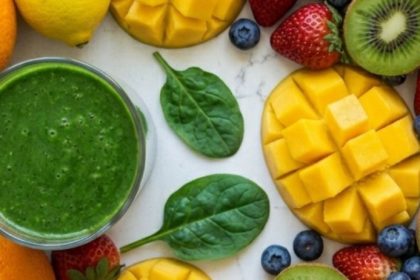
Celery, watermelon, and beet are all worth adding in. All three are rich in potassium and work well as juices — delivering a concentrated mineral hit in a form the body absorbs quickly and with very little digestive work. The fatigue that comes with low potassium — that deep, cellular kind — is often the first thing to ease when minerals start coming in this way. Why eating well sometimes still leaves energy low is explored in Eating Healthy but Still Tired? Here’s What Your Digestion Is Missing.
Does Low Potassium Connect to Low Magnesium?
Often, yes. Magnesium and potassium are closely linked in how the body regulates minerals. When magnesium levels are low, cells have difficulty holding onto potassium — so even when you are consuming enough, it does not stay where it is needed. The two minerals drop together more often than most people realize.
The pattern is the same as with magnesium deficiency — a mineral that underpins electrical and muscular function, depleting quietly until effects show up everywhere at once. If any of the signs in this article feel familiar alongside the ones in 6 Signs of Low Magnesium — and the Raw Foods That Fix It Every Day, it is worth building both back at the same time.
Raw seeds, leafy greens, avocado, and dates contribute meaningfully to both. That is what makes raw plant food so well-suited to this — you are rarely addressing just one thing at a time.
Muscle cramps, a fluttering heart, sluggish digestion, tiredness that won’t lift — the body is consistent in what it asks for. Give it potassium in the form it absorbs best, and most of these symptoms resolve faster than people expect.