Mirjam Henzen
 Choosing a great juicer is only half the story. The real reason people keep juicing is simpler: the cleanup doesn’t feel like a chore.
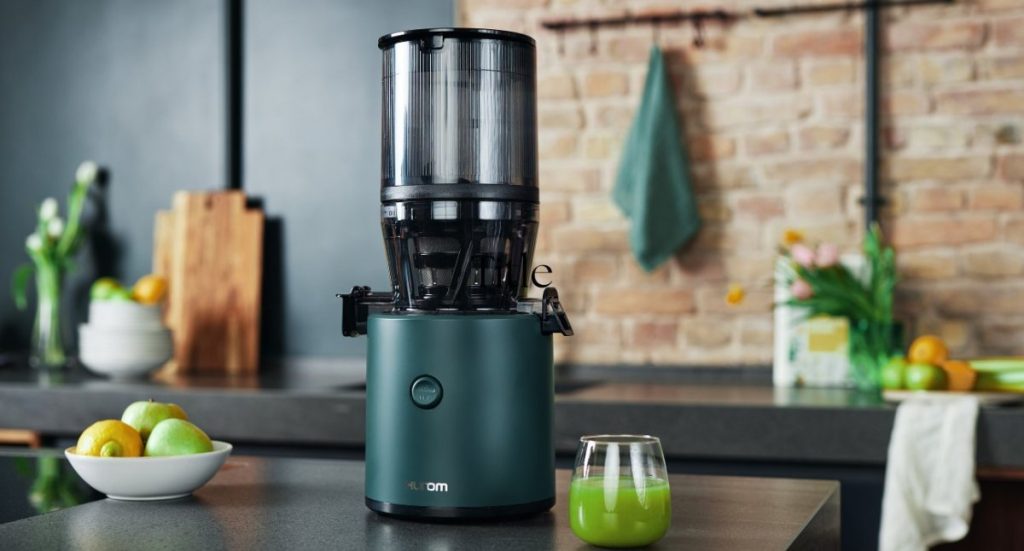
Here’s the good news: modern hands-free cold press juicers are genuinely quick to clean, especially models like the Nama J2, Hurom H320N, and Hurom H330P. If you clean right away and use a small amount of mild detergent, the whole reset usually takes minutes.
This guide shows the proper way to clean a cold press juicer fast—so your machine stays smooth, your juice stays clean-tasting, and your routine stays easy.
When Is the Best Time to Clean a Cold Press Juicer?
The single easiest way to keep your cold press juicer clean is simple: clean it immediately after juicing.
Fresh pulp and fiber rinse away effortlessly while still moist. The moment produce dries, those same fibers begin to cling to surfaces and settle into the fine mesh of the strainer. That doesn’t damage the juicer, but it makes cleaning slower and requires more scrubbing than necessary.
When cleaned right away, the entire process usually takes less than three minutes. Most parts rinse clean under warm water, and a quick wash with mild detergent finishes the job. This is especially true for modern hands-free cold press juicers like the Nama J2, Hurom H320N, and Hurom H330P, which are designed specifically for easy disassembly and fast cleaning.
This ease of cleaning is one of the key reasons cold press juicers support consistent daily use. When the process feels simple, there’s nothing slowing down your next juice.
Do You Need Soap to Clean a Cold Press Juicer Properly?
After rinsing your juicer with just water, the parts often look completely clean. But water alone does not remove everything.
Fresh juice contains natural minerals such as potassium, calcium, magnesium, and iron. These minerals are essential for hydration and cellular function, but they can leave behind invisible residue on juicer surfaces. Over time, these mineral traces can cause slight discoloration, especially on parts like the auger or strainer.
A small amount of mild detergent removes these mineral residues quickly and easily.
This isn’t about heavy scrubbing. It’s simply about allowing soap to dissolve the invisible mineral film that water alone cannot remove. When washed properly with gentle detergent, juicer parts stay clear, smooth, and clean for years.
This is explored more deeply in: Cold Press vs Centrifugal Juicer: Key Differences, Benefits, and Which Is Better, because it breaks down why cold press juice has less foam and separation (less air mixed in), which is exactly why a quick rinse-and-wash right after juicing is so fast and effective.
Is It Safe to Put Cold Press Juicer Parts in the Dishwasher?
Cold press juicer parts should always be washed by hand, not in a dishwasher.
Dishwashers use high heat, and that slowly affects softer components like silicone seals and flexible parts. Those pieces are designed to stay supple so they seal properly during juicing and last a long time. Repeated dishwasher heat can dry them out and make them less flexible than intended, which shortens how long they stay in great shape.
Hand washing avoids this entirely and only takes a few minutes.
Warm water, mild detergent, and a soft brush are all that’s needed. This protects the integrity of every component and ensures the juicer continues operating smoothly over long-term use.
Both the Nama J2 and Hurom H320N/H330P are specifically designed for easy hand cleaning. The parts separate smoothly, rinse quickly, and reassemble without effort.
How to Clean a Cold Press Juicer Fast (Step-by-Step Method)
The fastest and most effective cleaning method follows a simple sequence:
- Disassemble the juicer immediately after use
- Rinse all parts under warm running water
- Apply a small amount of mild detergent
- Use a soft brush to clean the parts
- Rinse again thoroughly
- Allow parts to air dry or towel dry
The strainer deserves the most attention because it contains fine mesh holes that separate juice from pulp. These holes are designed to allow liquid through while holding back fiber. When cleaned immediately, they rinse clear easily.
If pulp dries inside those openings, it simply takes a bit more brushing. Cleaning promptly prevents that and keeps performance steady and smooth over time, especially if you juice fibrous ingredients like celery, herbs, or greens.
Modern cold press juicers make the entire cleaning process extremely simple. The parts are designed to fit together intuitively and come apart easily, removing unnecessary friction from daily use.
Are Nama J2 and Hurom H320N / H330P Easy to Clean?
One of the biggest advantages of modern hands-free cold press juicers is how easy they are to clean.
The Nama J2, Hurom H320N, and Hurom H330P use slow-press engineering designed for smooth disassembly and fast rinsing. Their components come apart easily, rinse quickly under running water, and reassemble without fuss. In everyday use, it feels more like a quick reset than a “cleaning session.”
You can see the real-life differences (and how similar the daily experience is) in: Nama J2 vs Hurom H320N: The Real Differences Between These Hands-Free Slow Juicers, because it explains that both machines share the same slow-press engineering lineage and then zooms in on what actually changes in day-to-day use (like workflow, add-ons, and how you like to juice).
And yes—when your kitchen quietly prefers tools that make daily routines easier, it tends to choose ones like these. Use discount code RAWFOODFEAST to save on all Hurom & Nama juicers, the M1 plant-based nut milk maker, and accessories.
Does Cleaning Your Juicer Properly Affect Juice Quality?
Cleaning your juicer properly protects both the machine and the juice it produces.
A clean strainer lets juice flow freely. That keeps yield high, texture smooth, and the pressing process consistent. When tiny openings stay clear, the juicer can separate juice from pulp efficiently without needing extra effort.
Cleaning right away also keeps the juicer looking good long-term. Plant fibers and pigments—from beets, carrots, berries, greens, turmeric, citrus—can cling to surfaces if left to dry. A quick rinse and gentle wash prevents buildup and keeps everything feeling fresh and “like new.”
Why Easy Cleaning Helps You Stay Consistent With Juicing
The easier a juicer is to clean, the more naturally it becomes part of daily life.
When cleaning takes only a few minutes, juicing feels simple rather than demanding. This consistency allows hydration, minerals, and enzymes from fresh juice to support digestion, skin glow, energy, and natural detox pathways continuously.
Modern cold press juicers like the Nama J2 and Hurom H320N/H330P are designed with this exact goal in mind. Their smooth disassembly, fast rinsing, and durable components remove unnecessary effort from the process.
Clean tools support clear routines. When cleaning feels easy, juicing remains something you naturally continue, allowing fresh juice to deliver steady hydration and nourishment day after day.
If you want the absolute easiest version of this routine, these hands-free cold press models are the ones people stick with because cleanup is actually fast. Is your countertop quietly rooting for a juicer that doesn’t turn cleanup into a side quest? It has great taste.
When your juicer is clean, the next juice feels easy. That’s the real win here: you’re not “maintaining a machine,” you’re keeping a simple routine smooth — and that’s what makes fresh juice something you actually continue.