Mirjam Henzen
 Tired in a way that sleep does not fix. Cold hands even when the room is warm. That flat, foggy feeling that follows you through the day. Signs of iron deficiency often arrive quietly and accumulate slowly — by the time most people connect them, several have been present for months.
The body is consistent in how it shows a shortage, and the signals are recognizable once you know what to look for. The raw foods that address it are the same ones a raw plant diet is already built around.
What Are the Signs of Iron Deficiency?
The signs of iron deficiency reach across the body — energy, circulation, skin, breathing, heart rhythm, and mental clarity. Most people recognize at least three or four before they connect them to the same cause.
Persistent fatigue that doesn’t shift with sleep. Iron carries oxygen to every cell. When iron is low, cells are working with less than they need — and the result is a tiredness that rest does not resolve. It is not about how many hours you sleep. It is about how much oxygen your cells are receiving while you are awake.
Cold hands and feet, even in warm weather. Low iron means fewer red blood cells, and fewer red blood cells means less warmth delivered through circulation to the extremities. If your hands stay cold when the people around you are comfortable, it is worth paying attention to.
Pale skin, pale gums, and pale inner eyelids. Hemoglobin — the protein in red blood cells that carries oxygen — is what gives blood its red color. When iron drops and hemoglobin follows, that color fades. Pale gums, a washed-out inner eyelid when gently pulled down, or skin that has lost its warmth are all consistent signs.
Shortness of breath on minimal exertion. Climbing stairs, walking quickly, carrying something — any effort that should feel easy can leave you noticeably short of breath when iron is low. The body compensates for reduced oxygen delivery by breathing harder. It is doing the best it can with what it has.
Brittle or spoon-shaped nails. Iron is essential for the production of nail cells and the structural proteins that keep them strong. Low iron shows up in nails that chip, crack, and break easily — or, in more established deficiency, nails that curve upward in a concave shape. Most people do not connect nail quality to mineral status, but the link is direct.
Heart pounding or racing more than usual. The heart compensates for fewer oxygen-carrying red blood cells by beating faster and more forcefully. A racing or pounding sensation — especially at rest or during gentle activity — that has no obvious cause is worth looking at through a mineral lens.
Frequent headaches or dizziness. The brain runs on oxygen. When delivery drops, blood pressure to the brain fluctuates and headaches or lightheadedness follow. Dizziness on standing up quickly is a common early signal. The brain does not have much tolerance for oxygen shortfalls, even modest ones.
Brain fog and difficulty concentrating. The brain has one of the highest oxygen demands of any organ in the body. Even a small drop in delivery affects how clearly you think and how easily you focus. The mental flatness that comes with low iron — thinking that feels slower, more effortful than usual — is one of the most consistent and underrecognized signs. Brain fog also arrives through a completely different route when the gut is compromised; what that looks like and how raw food addresses it is covered in How to Clear Brain Fog Naturally: Why It Starts in Your Gut (And How Raw Food Lifts It).
Why Does Low Iron Cause These Symptoms?
Iron is the mineral the body uses to build hemoglobin — the protein inside red blood cells that picks up oxygen in the lungs and carries it to every tissue and organ. When iron runs low, the body produces fewer red blood cells, and the ones it makes carry less hemoglobin. Less hemoglobin means less oxygen delivered everywhere — to muscles, the brain, the skin, the heart.
That single mechanism is why the signs of iron deficiency reach so many different systems at once. Fatigue, cold hands, shortness of breath, a racing heart, brain fog — they are not separate problems. They are the same problem expressing itself through different parts of the body.
The body compensates where it can. The heart beats faster. Breathing deepens. Blood is directed toward vital organs and pulled from the extremities. These adaptations buy time, but everything feels harder — because everything is harder when cells are working with less oxygen than they need.
Women between the ages of 19 and 50 need around 18mg of iron daily. Men and post-menopausal women need 8mg. Both are achievable through raw plant food — once the right sources are in regular rotation and paired in a way that supports absorption. A gut that is well-nourished and fiber-rich absorbs minerals more effectively too; what a fiber-depleted gut looks like and how raw food rebuilds it is covered in Signs of Fiber Deficiency: What Your Body Is Trying to Tell You.
If you want to build mineral-rich eating into your daily rhythm — with recipes, practical guidance, and a community doing it alongside you — Healthy & Free is an online community built around practical, delicious whole food (un)cooking and juicing. Come join us and enjoy food that gives you energy, happy digestion, and glow.
Which Raw Foods Restore Iron Levels?
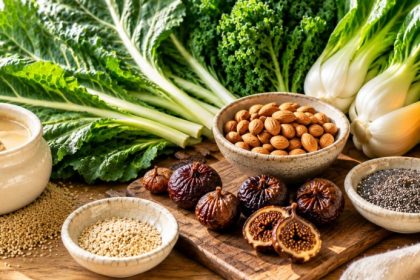
Raw plant food contains meaningful amounts of iron — and a raw food diet naturally pairs those sources with the vitamin C that makes absorption work. Vitamin C converts plant iron into a form the body takes in more easily, increasing absorption by 2 to 6 times. It needs to be present in the same meal. A raw food diet handles this pairing by default.
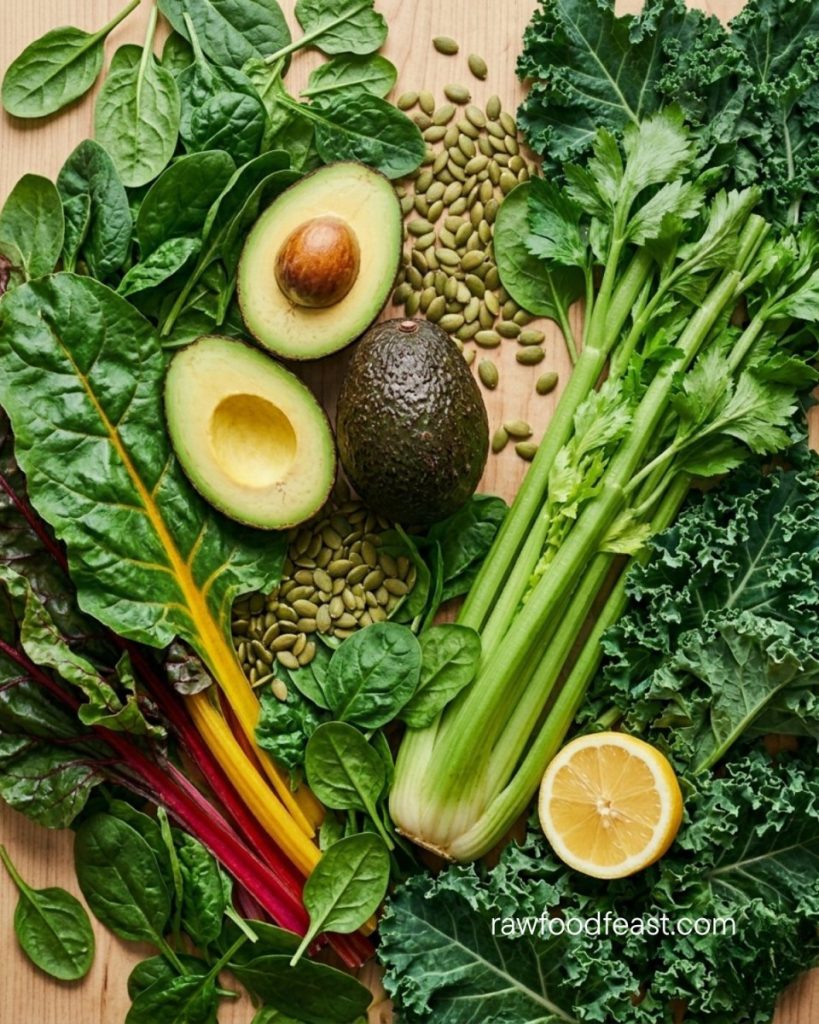
Pumpkin seeds are the standout source — around 2.5mg of iron per 28g, added to a smoothie, scattered across a salad, or blended into an oil-free dressing or pesto. Pumpkin seeds also rank among the most reliable raw sources of magnesium, which is often low alongside iron.
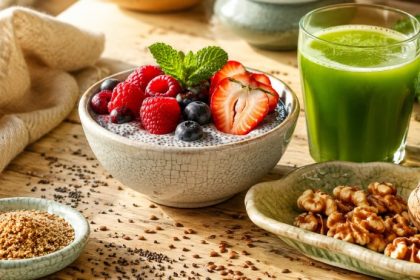
Hemp seeds bring around 2.4mg per three tablespoons. Chia seeds, sesame seeds, and tahini add meaningfully too.
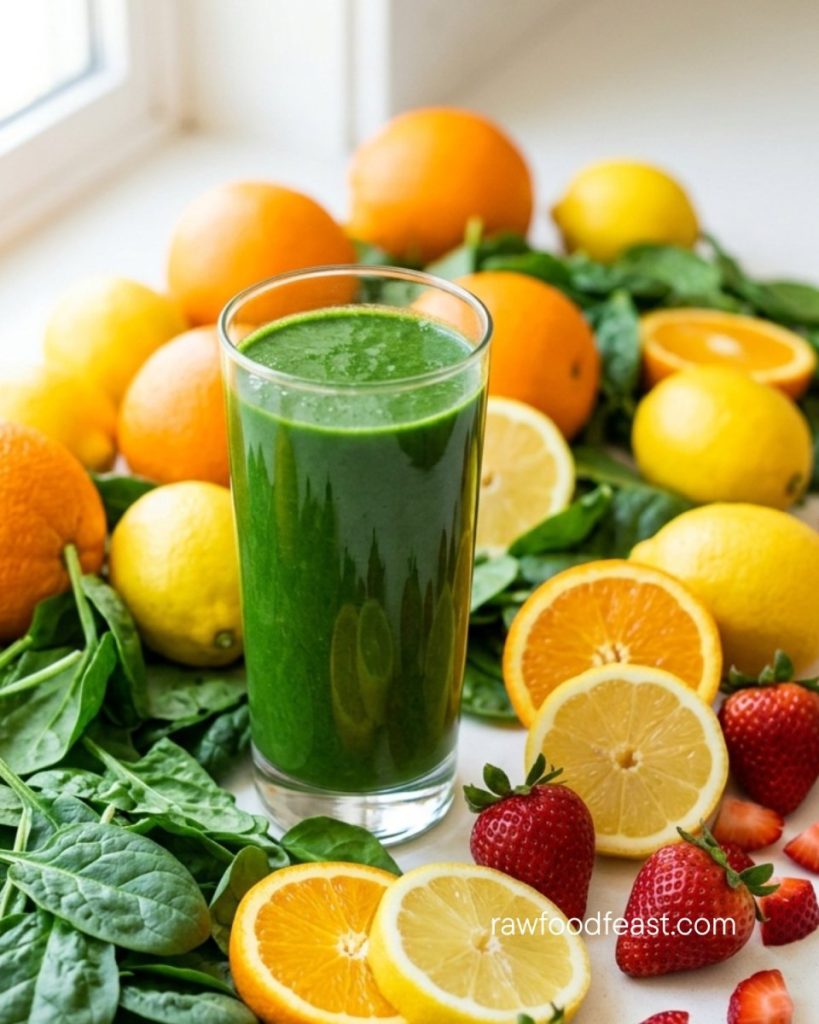
Spinach delivers around 0.8mg per cup — significant in smoothie quantities. Spinach is also rich in folate and chlorophyll, and what drinking spinach juice does specifically for energy, skin, and gut is explored in Spinach Juice Benefits: What This Leafy Green Does for Your Energy, Skin, and Gut. Spinach contains oxalates, which reduce iron absorption from spinach to some degree — but the reduction is partial, not total, and vitamin C in a green smoothie compensates. The full picture of oxalates and what they actually do is covered in Are Oxalates Bad for You? Here’s What a Raw Food Diet Actually Does.
Sprouted lentils bring around 3.4mg of iron per cup and are genuinely raw food — sprouting naturally increases nutrient availability. A sprouted lentil curry with mango and lime is one of the simplest iron-rich raw meals to build into a regular rotation.
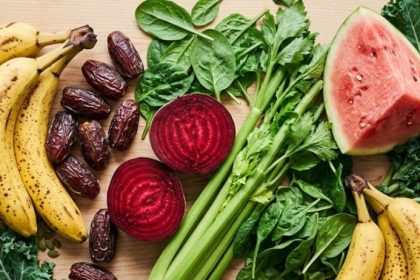
Dried apricots deliver around 3.5mg per half cup. A few alongside fresh kiwi or orange creates a consistent iron and vitamin C pairing without any effort.
The full breakdown of every raw iron source — exact amounts per serving and the meal combinations that make absorption work — is in How to Get Enough Iron on a Raw Food Diet (Without Supplements).
Does Iron Deficiency Connect to Other Mineral Gaps?
Mineral deficiencies rarely arrive alone. Iron, magnesium, and potassium share several symptoms — fatigue that doesn’t lift, cold extremities, a heart that races or pounds, brain fog. When these signs are present together, the picture is often more than one mineral running low.
Magnesium and iron often drop in parallel. A low-fiber, nutrient-depleted diet tends to run short on both. The signs — particularly the fatigue and mental flatness — can be indistinguishable until you look at the whole mineral picture. What low magnesium specifically looks like is covered in 6 Signs of Low Magnesium — and the Raw Foods That Fix It Every Day.
Potassium deficiency brings its own overlapping symptoms — a racing heart, persistent fatigue, difficulty concentrating. The specific signs and how they differ from iron deficiency are in 7 Signs of Low Potassium — and the Raw Foods That Fix It Every Day.
Raw plant food addresses all three simultaneously. Pumpkin seeds bring iron and magnesium. Dark leafy greens contribute iron, magnesium, and potassium. Sprouted lentils, dried apricots, and citrus build iron levels while supporting the broader mineral picture. You are rarely working on just one thing at a time when you eat this way.
Eight signs. One mineral running low. The body is consistent in what it shows and consistent in what it responds to. Bring the iron back — through real raw food, paired with the vitamin C that makes it work — and most of these symptoms ease faster than people expect.